Choosing between a traditional Junior College (JC) and a specialized international A-Level center like KII College is a pivotal decision. While JCs offer a standard path, KII College has consistently produced Top in the World and Top in South Korea scorers under the Pearson Edexcel curriculum.
But why is the success rate at KII so high? The answer lies in a refined synergy of 20+ years of pedagogical expertise and a ruthless, high-density daily schedule.
1. The Power of "20 Years of Teaching DNA"
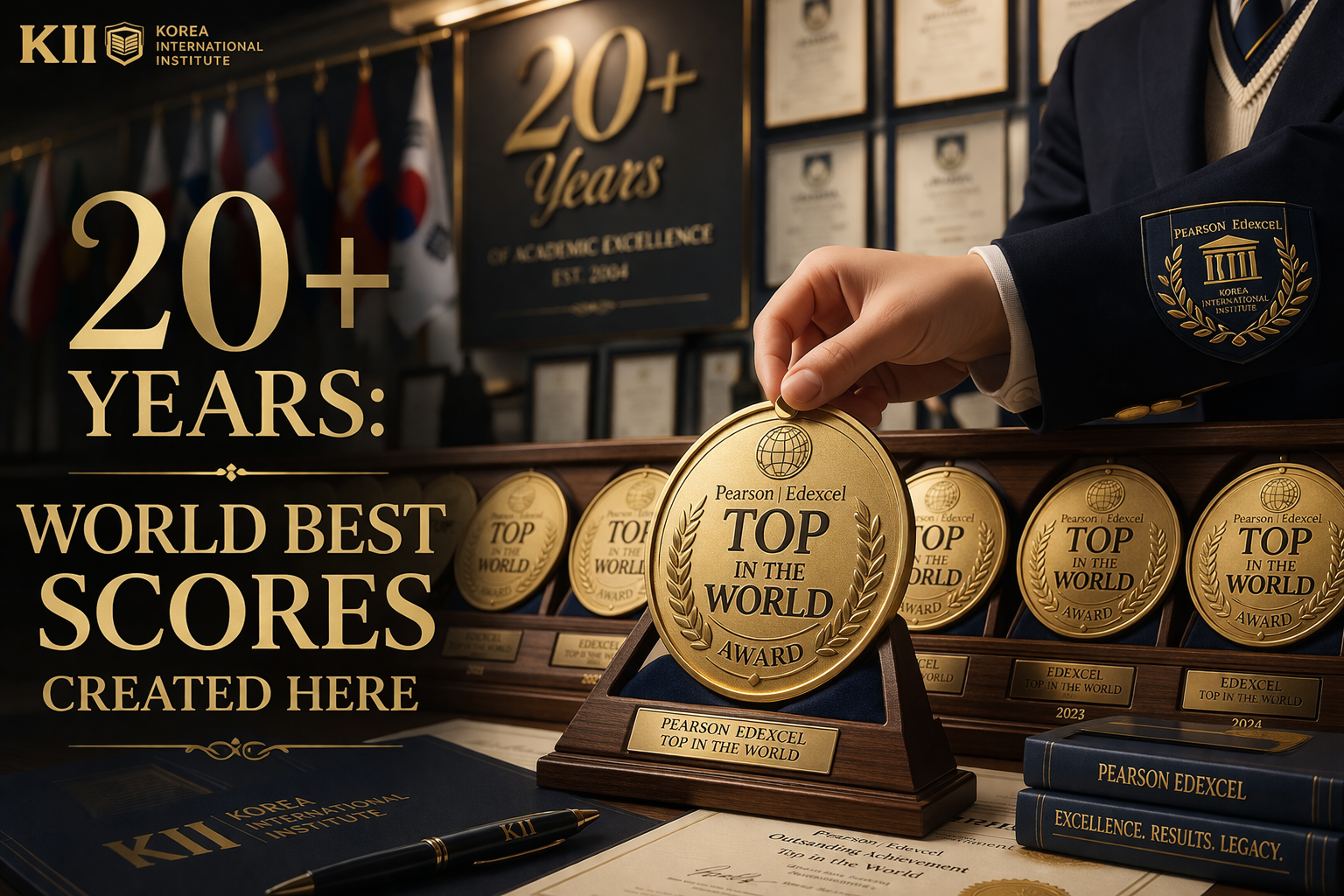
KII College isn't just a school; it’s an incubator of elite academic results. With over two decades of experience in the South Korean education landscape—arguably the most competitive in the world—KII’s faculty understands the specific hurdles Asian students face.
This experience has translated into a record-breaking pedigree:
- Top in the World Award: Multiple students achieving the highest possible marks globally.
- Top in South Korea: Consistent domination in subjects like Mathematics, Physics, and Chemistry.

2. The "Spartan" Daily Routine: Why it Works
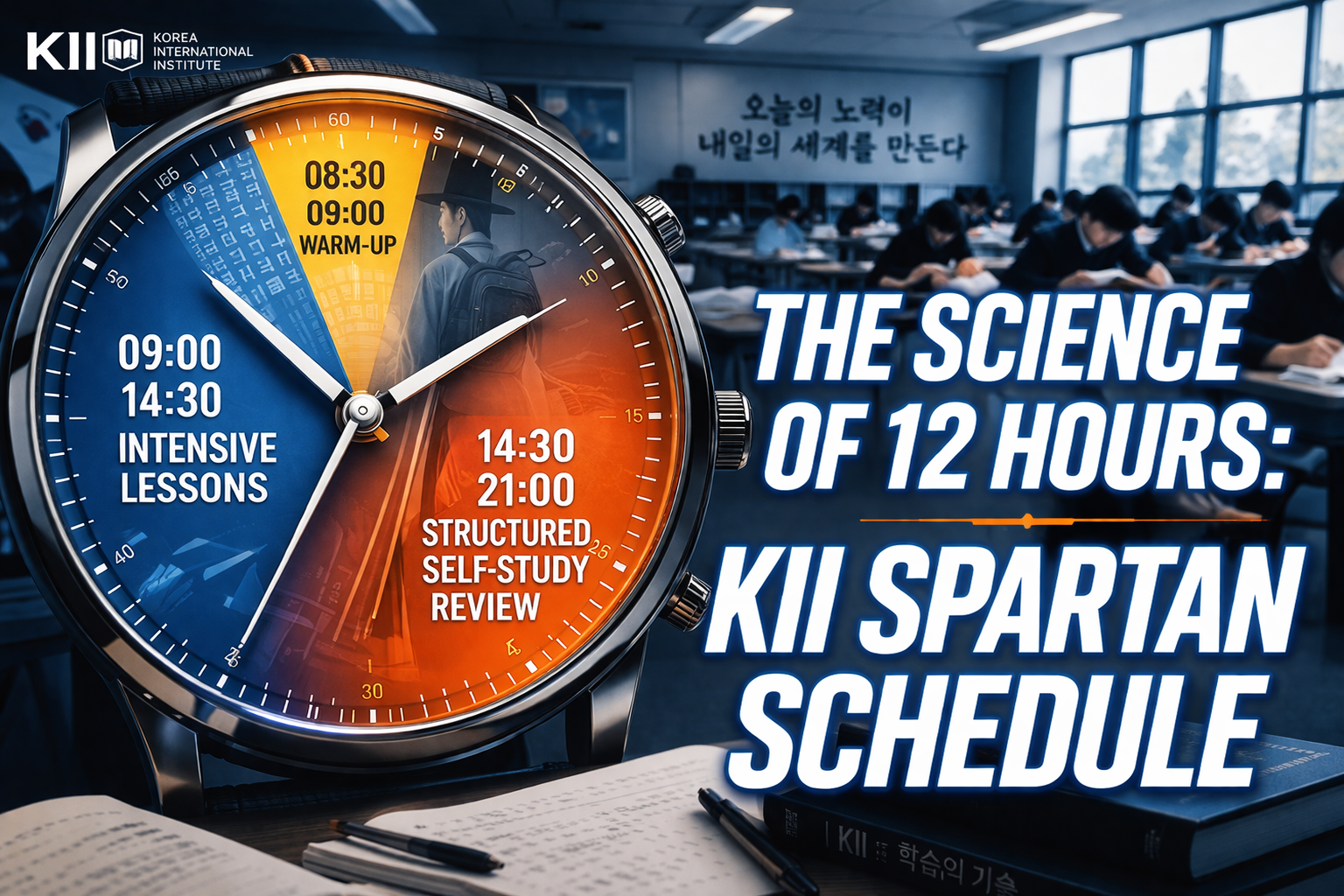
Traditional JCs often have fragmented schedules with long gaps between lectures and tutorials. KII College utilizes a 9:00 AM – 9:00 PM Spartan Schedule that eliminates "dead time" and maximizes cognitive retention.
Phase 1: The Intellectual Ignition (08:30 – 10:00)
While many students are still commuting or unfocused, KII students start at 08:30 with GP (General Paper) Preparation. This "Warms up" the brain's critical thinking and linguistic faculties before diving into the heavy-duty H2 science and math subjects.
Phase 2: The High-Intensity Teaching Block (09:00 – 14:30)
KII focuses on a Back-to-Back Teaching Model. Unlike JCs where you might have 3 hours of self-study between classes, KII minimizes the gap. Teachers are present and engaged, delivering content in high-density blocks.
- Maths (Daily): Constant practice to maintain numerical "muscle memory."
- Block Rotation: Subject blocks (Physics/Chemistry/Economics) are rotated to prevent mental fatigue while ensuring 100% curriculum coverage.
Phase 3: The Golden Window of Review (14:30 – 16:30)
This is where KII beats the JC system. In a JC, a student might learn a concept at 10:00 AM and not look at it again until 8:00 PM at home. By then, they have forgotten 50-70% of the material.
At KII, Self-Study 1 happens immediately after the final lesson. Students review the day's notes while the teacher's voice is still ringing in their ears. This "Immediate Recall" is the secret to moving information from short-term to long-term memory.
3. Output-Oriented Learning: TYS and Past Papers
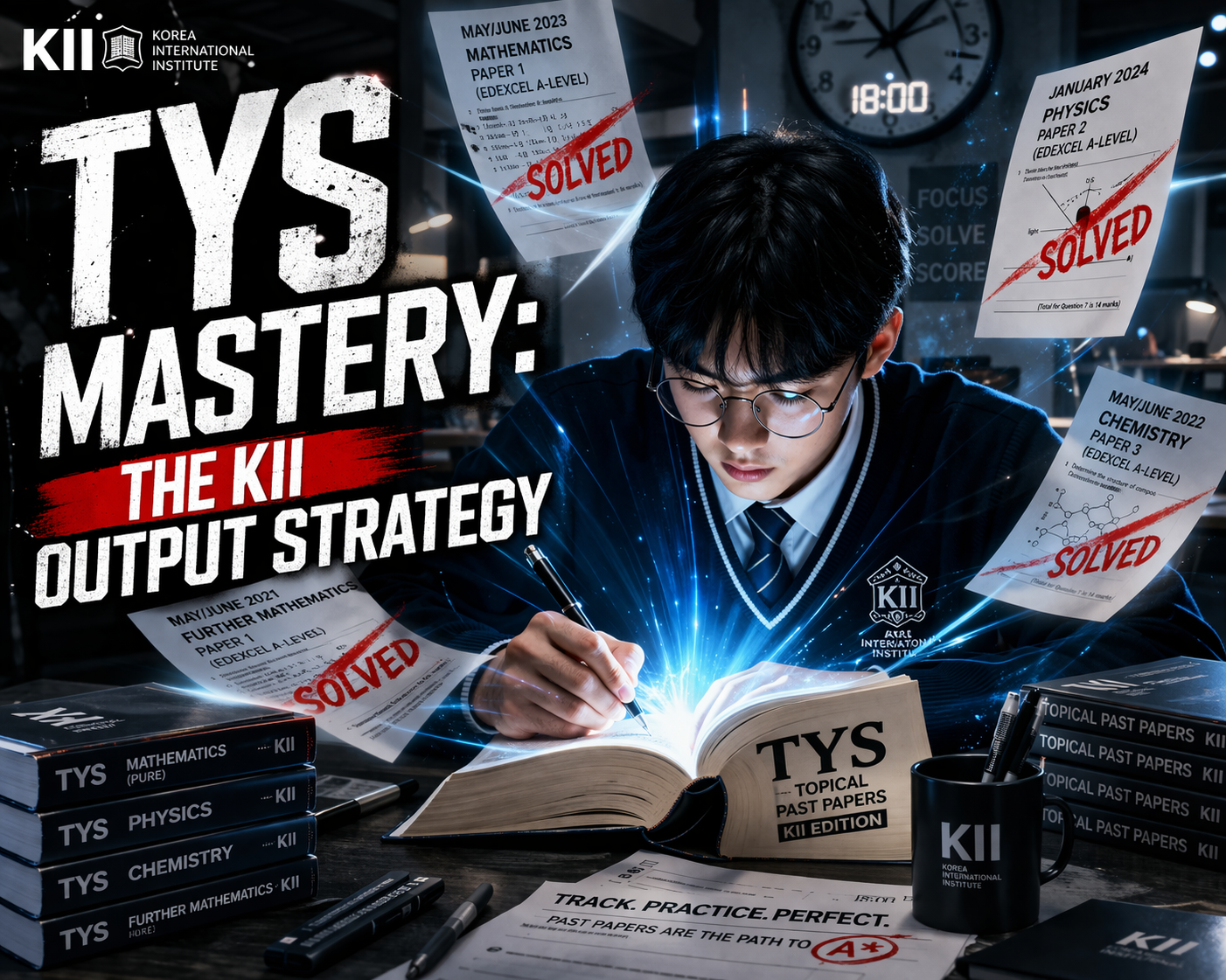
From 17:00 to 19:00, the focus shifts from Learning to Execution. Under the Spartan system, students don't just "read" textbooks; they solve Topical Past Papers (TYS). KII’s philosophy is simple: You don't know the material until you can solve a 15-mark A-Level question under timed conditions. This rigorous "Output" training is why KII students walk into the exam hall with zero anxiety—they have already seen every possible question variation.
4. The 21:00 "Hard Stop": Sustainability
One might think a Spartan system leads to burnout. However, KII mandates a 21:00 Finish. By working with extreme intensity during the day, students earn their rest. This disciplined "Hard Stop" ensures that the brain has time to recover and consolidate information during sleep, preventing the common "JC Burnout" seen in the final months of the A2 year.
Conclusion: Excellence is a Habit
The reason KII College produces world-leading results isn't magic—it’s engineering. By combining the discipline of South Korean teaching heritage with a scientifically optimized schedule, KII creates an environment where "Top in the World" isn't a dream, but an expected outcome.
If you are aiming for Ivy League, Oxbridge, or top Medical Schools, the choice is clear. Don't just study; follow the system that has already mastered the A-Level.
See together Breaking the Myth: You Don’t Need a JC to Ace the Singapore A-Levels!